Quick Facts
Moderate
Overall risk level
190
Police emergency
192
Ambulance (SAMU)
90+
Visa-free nationalities
The Reality Check
Crime in Brazil is concentrated. Specific neighborhoods, specific hours, specific behaviors. Most tourists never come near any of it, because the places tourists go and the places crime happens are largely different places. That gap is what this guide is about.
More than six million international tourists visit Brazil each year. Salvador's Pelourinho, Rio's South Zone beaches, the Amazon lodges: these function as normal tourist environments during daylight and early evenings. The incidents that make headlines happen in peripheral neighborhoods tourists have no reason to visit.
The single most useful reframe
The three risk categories tourists actually face are: opportunistic theft (phone snatching, bag grabs in crowds), targeted scams (fake guides, taxi overcharging, distraction theft), and wandering into the wrong neighborhood after dark. All three are avoidable with the right knowledge.
6M+
International tourists/year
3
Main risk types for tourists
27
States across the country
2
Cities covered in this guide
City-by-City Safety Overview
Each city has its own risk profile. Knowing which neighborhoods are safe and which to avoid is the most practical safety preparation you can do before arriving.
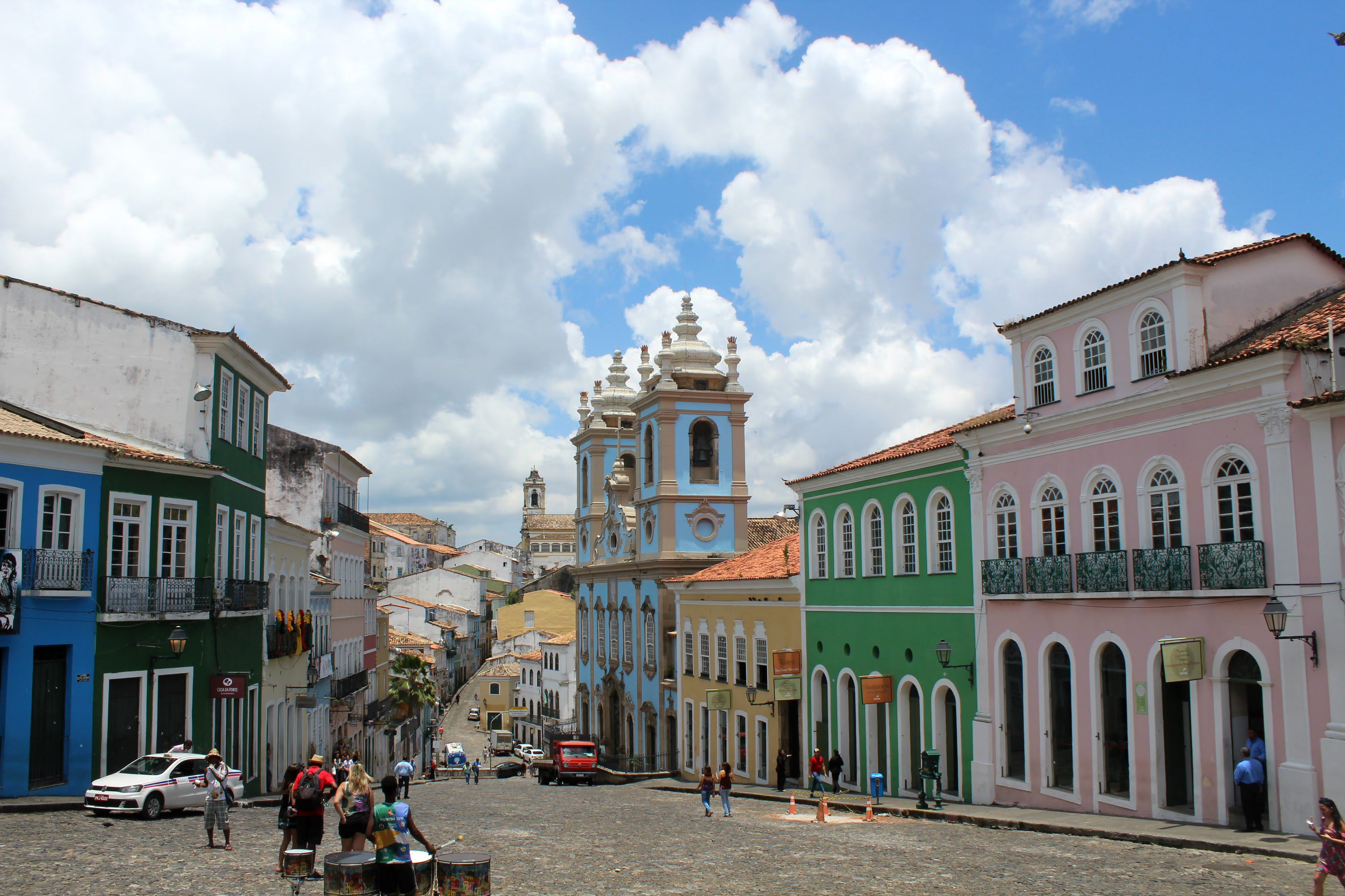
Salvador, Bahia
Moderate risk, manageable
Tourist areas are well-defined and generally safe during daylight and early evenings. Peripheral neighborhoods are a different situation entirely.
Safe areas:
Pelourinho, Rio Vermelho, Barra, Itapua, Flamengo
Avoid:
Liberdade, Calcada, Massaranduba, Pau Miudo
Rio de Janeiro
Moderate-high risk, stay in tourist zones
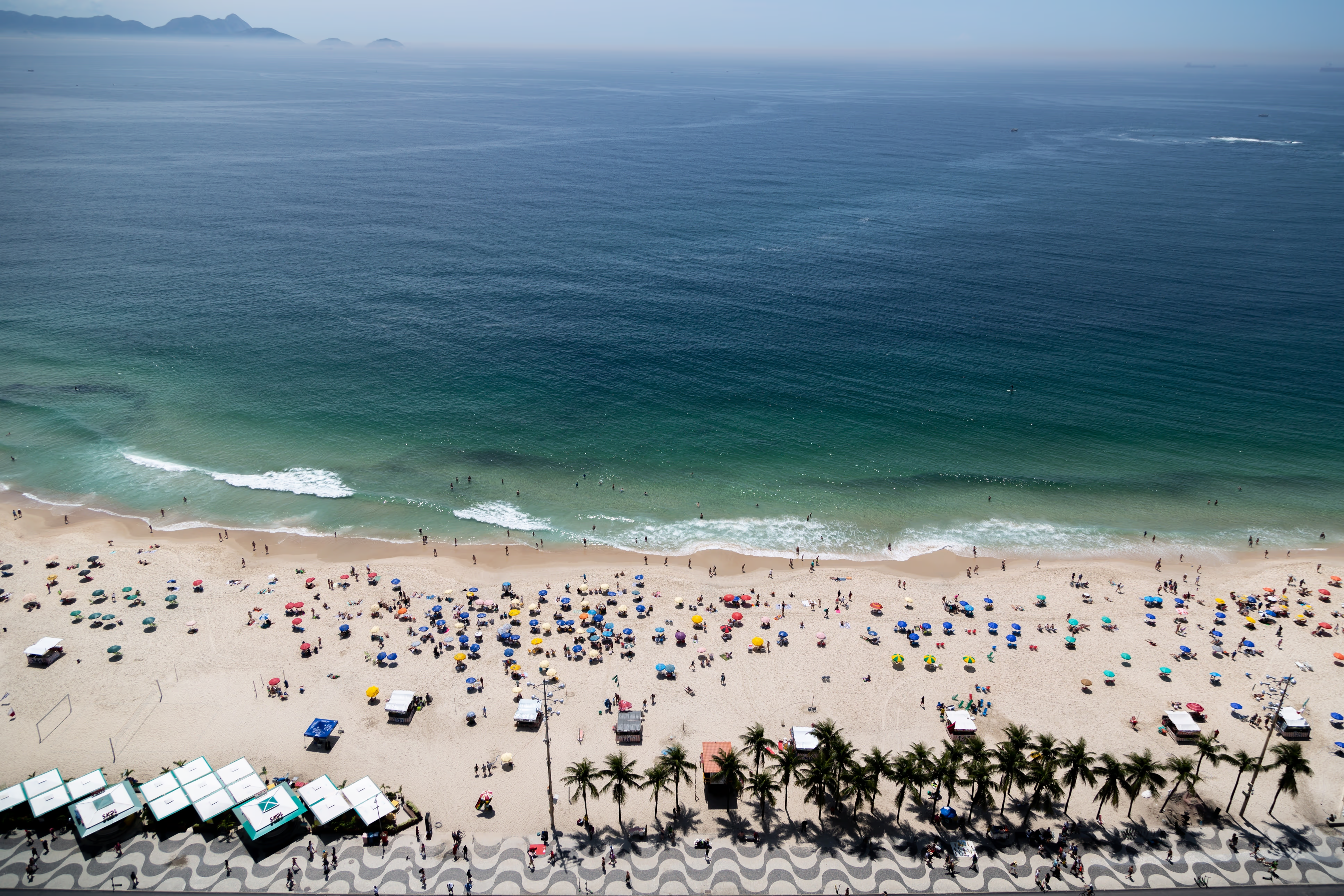
The South Zone is where tourists belong. The North Zone and West Zone require more caution and offer less reason to visit.
Safe areas:
Copacabana, Ipanema, Leblon, Botafogo, Santa Teresa, Urca
Avoid:
Complexo da Mare, Complexo do Alemao, Santa Cruz
Favela visits
Before You Go: Pre-Trip Preparation
Most preparation happens before you board. These steps take 30 minutes total and they matter more than anything you can do once you're already there.
Get travel insurance with medical evacuation
Standard travel insurance is not enough in Brazil. Medical facilities in major cities are good, but evacuation coverage matters if you travel to remote areas. Look for policies that include emergency evacuation and at least USD 100k in medical coverage.
Make copies of all documents
Scan your passport, visa, insurance, and flight itinerary. Store them in a cloud folder accessible from any device. If your bag is stolen, you can access these from a hotel computer.
Plan a secondary phone strategy
Buy or bring a cheap secondary phone specifically for street use. Leave your primary phone locked at the hotel and use the backup for maps and Uber when you're out. A R$200 Android handles everything you need. If it gets snatched, the loss is manageable and your real data is safe.
Download Uber before you land
Uber is the safest transport option in Brazilian cities. Set it up before you arrive, because you will need it immediately at the airport. Add a backup payment method in case your primary card has issues abroad.
Save emergency numbers now
Want a checklist you can actually use on the trip?
The free guide condenses this page into printable quick-reference cards, neighborhood maps, and a pre-trip checklist.
Common Scams Targeting Tourists
Scams in Brazil follow patterns. Once you know the pattern, the setup is obvious from the first approach.
The Friendship Bracelet
Someone ties a bracelet on your wrist without asking, then demands payment. The key tell: they approach confidently and act before you can react. Response: stop walking, remove the bracelet, say no clearly, keep moving. Never stop to negotiate.
Unofficial Taxis
Drivers approach at airports and bus stations offering rides at "fixed prices." They either massively overcharge or are running a more serious setup. Use Uber at all airports. If you must use a taxi, only use official ones with a meter running.
The Distraction Theft
One person bumps you, spills something on you, or starts an urgent-seeming conversation. A second person takes your phone or wallet while you're focused on the first. If anyone touches you unexpectedly, immediately step back and check your pockets before doing anything else.
Fake Tour Guides
Unofficial guides approach outside churches, viewpoints, and historic sites. They offer tours that either end with inflated fees or create opportunity for theft. Only use guides recommended by your accommodation or booked in advance through official channels.
ATM Skimming
Card-reading devices are installed on ATMs in less-supervised locations. Use ATMs inside bank branches during business hours. Before inserting your card, check for anything that looks added to the card slot. A loose or misaligned reader is a clear red flag.
Visible phones are the #1 target
What to Avoid
These aren't worst-case scenarios. They're the situations where incidents are statistically most likely to happen to tourists.
Walking alone in unfamiliar areas after dark
Carrying a visible camera or laptop bag on public transport
Accepting rides from unofficial drivers at airports or stations
Flashing cash or counting money in public
Using ATMs on the street late at night
Entering favelas without a licensed guide
Leaving drinks unattended at bars
Booking accommodation in neighborhoods not in tourist guides
Wearing expensive watches or jewelry in the street
Stopping to check your phone in the middle of a busy sidewalk
Look like you know where you're going
Safe Behavior That Actually Works
These habits are specific to Brazilian cities. They're not generic travel advice recycled from a guidebook. They're what people who visit Brazil regularly actually do.
Split your cash
Keep R$50-100 in an easily accessible pocket and the rest secured elsewhere. If someone demands your money, hand over the small amount. Cooperating in a street robbery is safer than resisting. The small loss is acceptable. The conflict is not.
Dress down
Expensive watches, visible jewelry, and designer clothing make you a more attractive target. Brazilian street style is casual: shorts, sandals, a plain t-shirt. Dress at that level and you draw the same attention as everyone else. Leave anything with obvious resale value locked at the hotel or don't bring it at all.
Use Uber for everything
Uber is available in all major Brazilian cities and is significantly safer than street taxis for tourists. The driver's identity is recorded, the route is tracked, and the price is agreed before you get in. For solo travelers especially, it eliminates one of the most common risk scenarios.
Act on instinct immediately
If a street or situation feels wrong, don't wait to confirm the feeling. Turn around, enter a nearby shop, call an Uber from inside. The cost of unnecessary caution is zero. The cost of ignoring a correct instinct can be high.
The secondary phone strategy
Emergency Contacts and What to Do
| Service | Number | When to call |
|---|---|---|
| Police (Policia Militar) | 190 | Crime in progress or just occurred |
| Ambulance (SAMU) | 192 | Medical emergency |
| Fire Department | 193 | Fire, accidents, rescues |
| Civil Defense | 199 | Natural disasters, flooding |
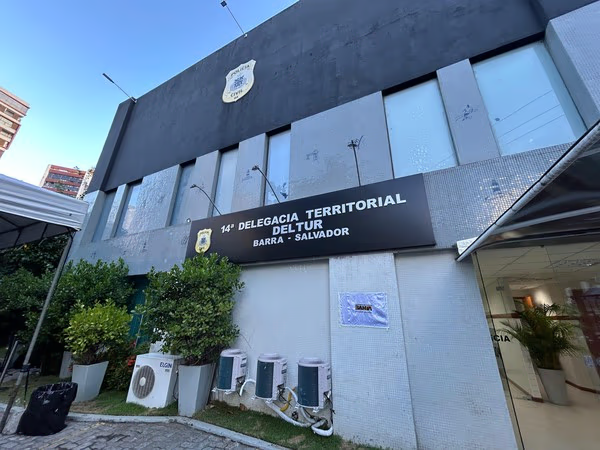
| Tourist Police (Salvador) | DEATUR | Tourist-specific incidents |
If you're robbed
Next Steps
This guide covers the general picture. For city-specific safety detail, exact neighborhoods, local tips, and what to expect on the ground, read the destination guides.
Safety in Salvador
Neighborhood-by-neighborhood guide, Pelourinho tips, transport advice
Safety in Rio de Janeiro
South Zone guide, beach safety, favela tour guidelines
Take a condensed version on the trip
The free guide turns this page into quick-reference cards, a neighborhood map, and a pre-trip checklist. Formatted for travel, not reading.